
A Personal Essay
Attending The Toronto International Film Festival
June 6, 2026
A personal essay on attending TIFF 2025 with a media pass, navigating screenings, festival culture, and what the experience meant for Ten Out Of Ten.
The Application and What a Film Festival Means to Me
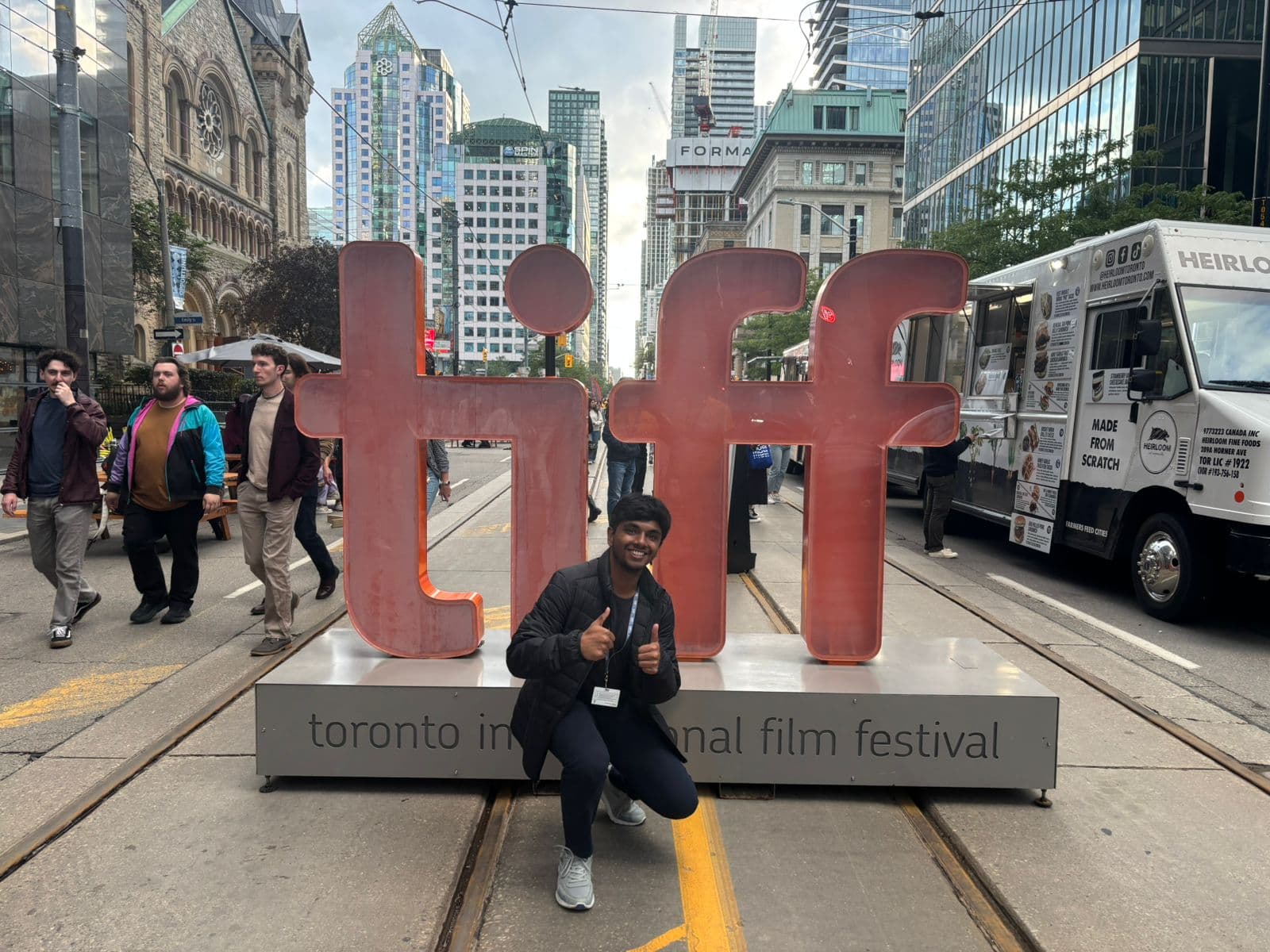
On the evening of 23rd July 2025, I had just finished a run and was heading back to my apartment. While I waited for the lift, I casually opened my email on my phone and froze when I saw an email from TIFF saying that my media accreditation for 2025 was confirmed. There was a lot of information inside the email, but all I checked was whether it was from the right source and if it truly was approved. My joy knew no bounds and I ended up texting a bunch of my team members and friends as they slept halfway across the world in India.
Let me back up a bit. You might empathize with my emotions, but I want to take a moment to talk about what TIFF is and what actually happens at a film festival. One of my first experiences of a film festival was with a close friend when in 2024 we went to Mumbai to attend the MAMI International Film Festival, probably the third biggest film festival in India. What usually happens here is a bunch of niche indie films that are looking for distributors or funding to have a proper theatrical or digital release come to these festivals to screen their films and hopefully attract buyers or hope that good word of mouth from the audience attracts funding. Most of the time, you probably would not even hear about films that play here, forget getting a chance to watch them. To attract maximum traction from cinephiles, films from all around the world are screened. Both my friend and I, despite not watching anything groundbreaking for the four days we were there, had the time of our lives at MAMI and I think somewhere then I realized that I loved doing this.
I moved to the USA in June 2025 for good and my team and I were still discussing the billion ideas we had to develop this podcast. All of us were caught up with a lot of things, so starting a new season was not happening anytime soon. During this time, after watching a Joachim Trier film that I finally managed to find online, the film festival bug itched me again and I began googling festivals around the USA. That is when I learned that Toronto was just about three hours from my place and the best part was that it was arguably one of the biggest film festivals in the world.
I first spent hours on YouTube and Reddit trying to figure out how I could attend this festival. All I knew was that I could afford the travel and stay, but as I dug deeper, I found out that the festival does not work after buying a single pass. For context, at MAMI, my friend and I bought a pass worth Rs.1500 with which we could watch a maximum of four films per day for the entirety of the festival. All we had to do was wake up at 8 AM every day to book tickets for the films we wanted to watch the next day. Popular films would be sold out in seconds and your next best option would be to rush for these films, which essentially means waiting in a line hoping that some people who booked their tickets do not show up and you get a chance to watch it. Naturally, for popular films, lines would begin forming hours before the show began with no certainty of getting a seat. I am absolutely against rushing at festivals because I believe it is an absolute waste of time.
At TIFF, while the premium packages to watch a bunch of films without fail cost a fortune, you could technically watch a film for free by just rushing, although your investment would then be your time. I did consider it for a second but realized that I would be traveling all the way with no certainty of watching the films that I absolutely wanted, so I decided to look for alternatives.
The best part about TIFF is that it is a festival made for the people. You could just use an app and buy tickets for the movies you wanted to see. Though this would have meant stretching my budget, I quickly learned that the rates for popular films would skyrocket because of demand and there was still uncertainty of whether or not I would get a ticket. Again, it seemed like a dead end.
That is when I came across the media pass. It was a free application and all they needed was a letter of assignment, which I wrote to myself from this podcast, a picture of me for my ID, and another letter asking why I wanted to attend the festival. I knew the odds were against me, but I wrote a heartfelt letter about our growing audience in both the Telugu states and the NRI audience in the US, especially around Texas and New Jersey, which technically are also Telugu states at this point. I talked about the growing culture of foreign cinema and how I wished to cover the festival in Toronto and share my experience. I am not sure whether it was this letter or the fact that I applied early, but by July 23rd, by some magic, I was in.
The Preparation
Apart from finalizing travel and accommodation, the toughest part was planning the schedule. For starters, I joined all the relevant WhatsApp and Reddit groups for TIFF 2025, which was also going to be the festival's fiftieth anniversary, so it was going to be a big deal. A very kind man wrote a detailed reply on Reddit when I asked for tips on how to make the most of my pass, and that essentially became my bible for this period.
I'll skip the detailed mechanics of the ticketing process for media members, but the crux of it was that we could basically watch every movie for free. Every single film had a dedicated media screening, based on a first-come, first-served system. In addition, we were given ten tickets to any public screenings. This was mainly to account for overlaps or clashes between media shows, so if we missed an important film due to scheduling conflicts, we could still catch it later.
Another amazing part about TIFF was their scheduling system. Their website listed every film's showtimes along with detailed descriptions, and it even gave the start and end times down to the minute. I honestly cannot remember a single instance when they did not stick to this.
I decided I was going for a total of seven days, including travel days by bus. I spent almost every free minute during August reshuffling and perfecting my schedule. It was crazy, because I thought six full days of screenings would be enough, but with the sheer number of films and their timing, I had to make some tough choices. After consulting countless people online and discussing with friends, I finally finalized my schedule and was all set. Here's a glimpse of what it looked like.
Day 1
I had my bus in the morning at six and I spent most of the night tossing and turning, waiting for my alarm to ring. I managed just a couple of hours of sleep before it went off, and I jumped out of bed to get ready. It was a big day. My first film was scheduled for 12:30 in the afternoon, and I was supposed to have a couple of hours to check into my hostel in Toronto, collect my press pass at the venue, and watch Sirat, the Jury Prize winner at Cannes, and undoubtedly one of my most anticipated films at this festival.
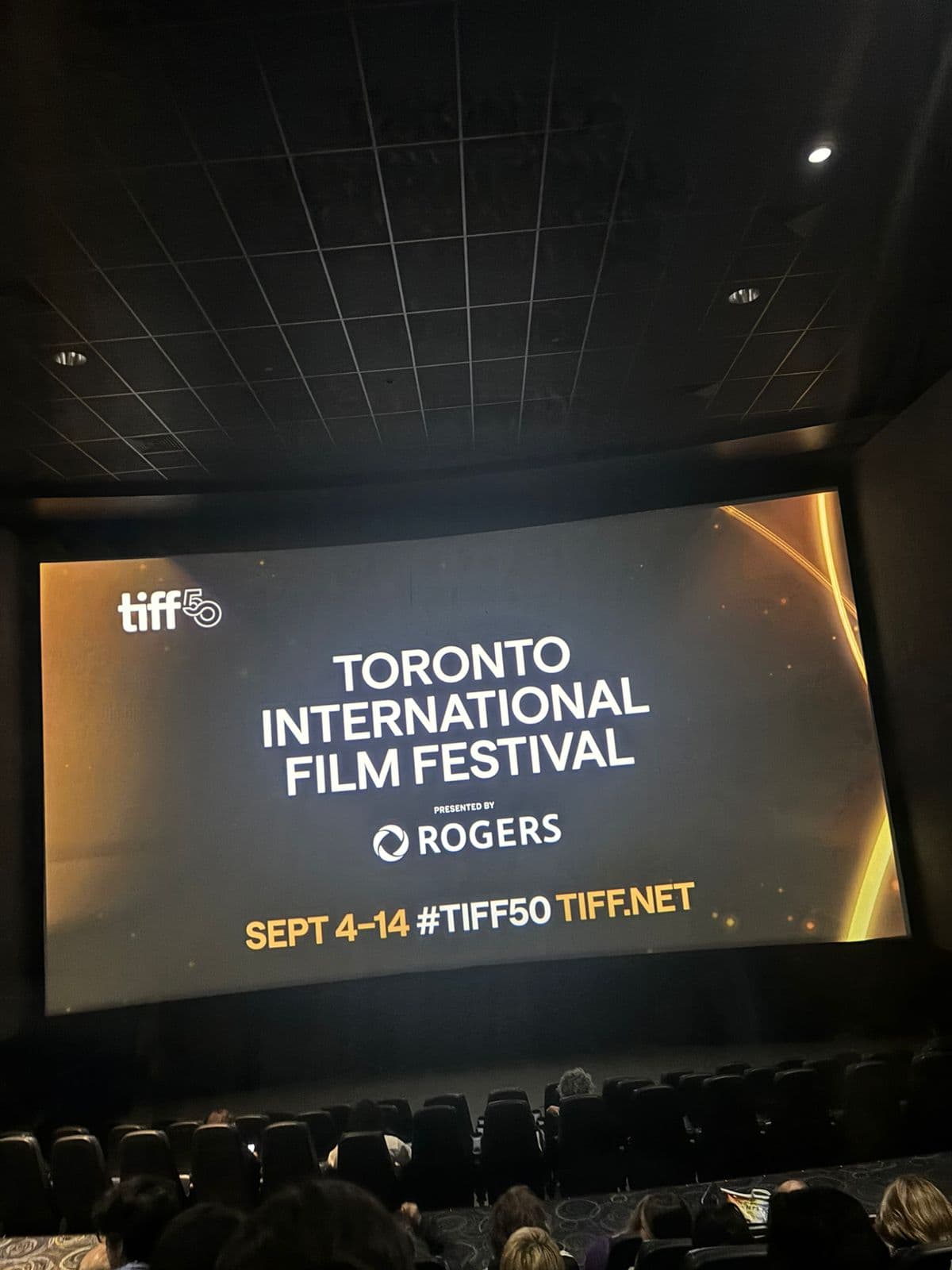
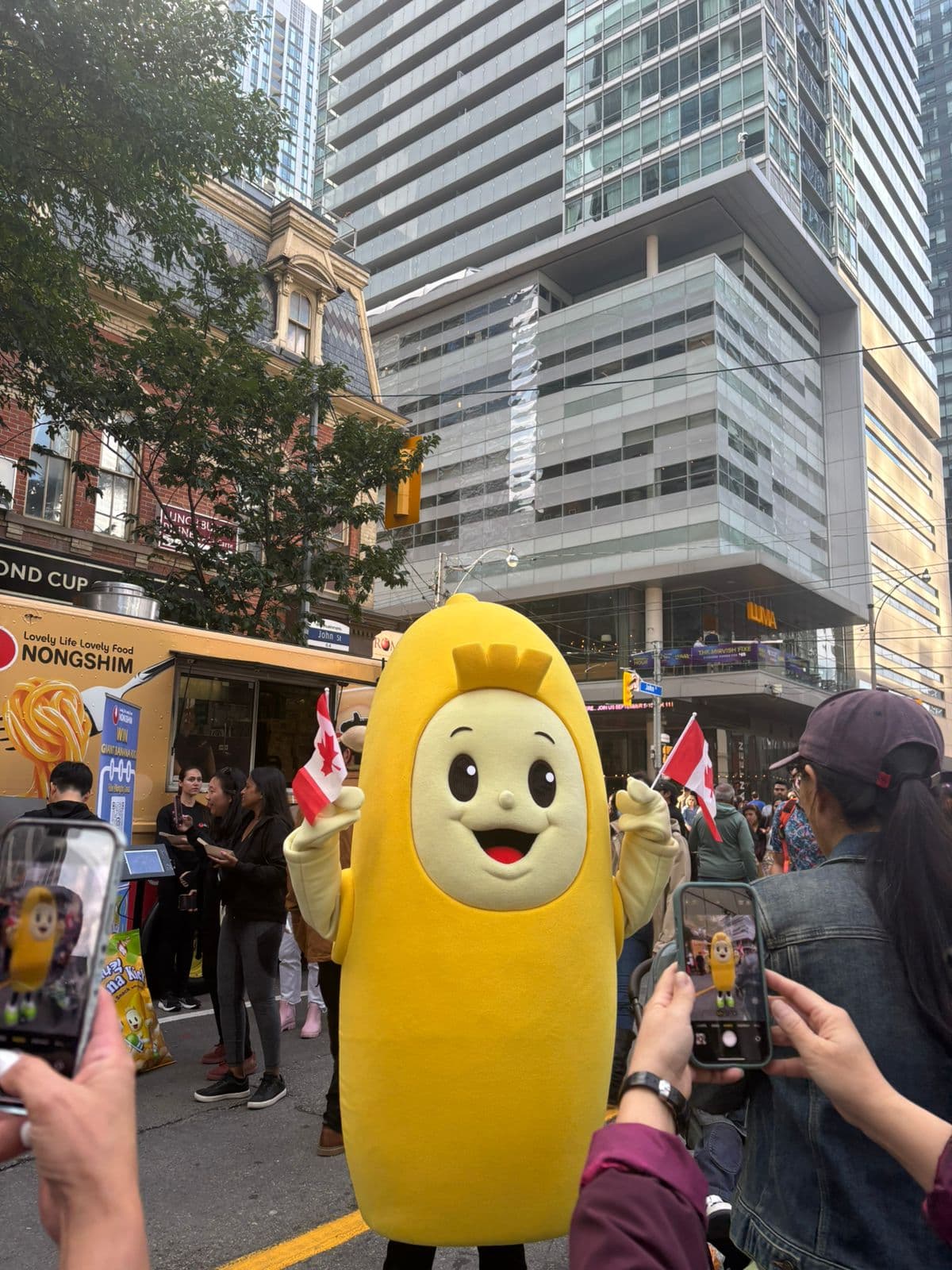
However, as luck would have it, my bus was delayed and I only reached Toronto around 11:40. It was impossible to check in and rush back to the venue. I thought I could quickly drop my bag at the hostel and grab another cab, but by the time I reached, it was 12:15. It made more sense to let the first show go and catch it later using one of my ten public tickets. I spent some time exploring my neighborhood, took the subway which is incredibly convenient, and just soaked in the Toronto atmosphere. The festival street was alive with people, food trucks, and movie posters. It felt like my own version of Disneyland. The energy was electrifying.
I headed to Hyatt to collect my press pass. The entire floor was dedicated to press members, industry professionals, and artists. Different countries had set up stalls to showcase their projects, and there was a dedicated counter for coffee and tea, as well as a team to help with showtimes and tickets. I learned that there were two major theatres, huge single-screen auditoriums, and a multiplex with around fourteen screens blocked entirely for the festival. The press system was simple. Wear your ID card and gain entry on a first-come, first-served basis. Press members rarely got denied entry because the screenings were split across multiple venues. I also found a small restaurant serving Indian and American fast food which would soon become my go-to spot to stay fed without overspending.
My first show was Sound of Falling, a critically acclaimed film that had premiered at Cannes. I arrived about fifteen minutes early to secure a good seat and ended up striking a conversation with a friendly man sitting next to me. He ran a small podcast as well and was attending TIFF for the first time with a media pass. He gave me some great tips for cheap eats nearby.
Sound of Falling was beautifully shot with impressive production design, but at times it felt exhausting. The central theme of generational trauma took a while to fully unfold, and though the film did not completely meet my expectations, it was still a decent start to my festival journey.
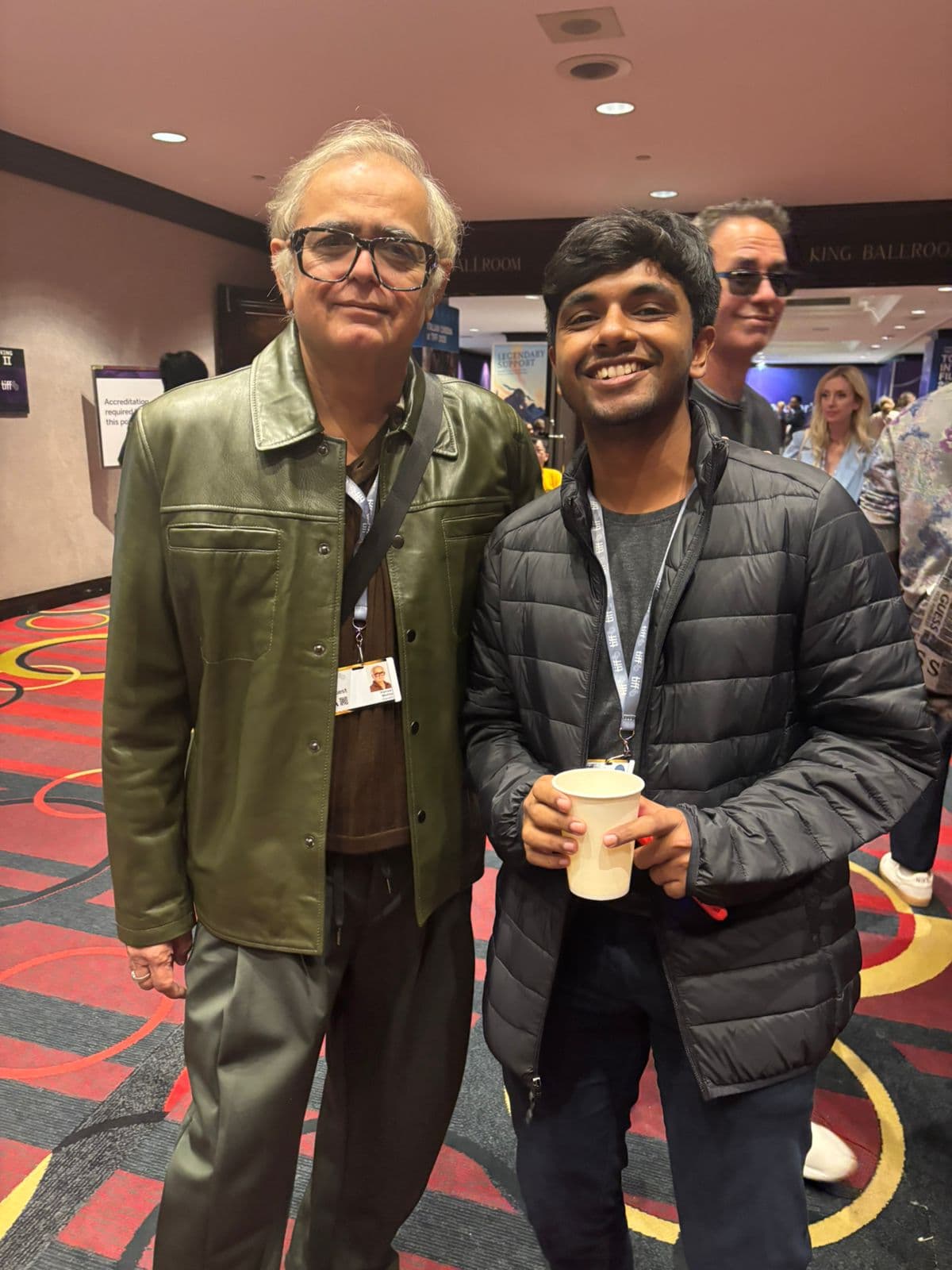
Afterwards, I returned to Hyatt for some coffee and to charge my phone when I ran into Mr Hansal Mehta. My friend and I had met him back in Mumbai, and he remembered us instantly. We had a lovely conversation about TIFF, and he told me this was his third time attending with a project. I am a huge admirer of Mr Mehta, and it felt incredible to meet an Indian representative at the festival. He was promoting his latest web series Gandhi, starring Pratik Gandhi and Tom Felton. I told him I was excited to watch the premiere of the first two episodes despite my packed schedule. He is genuinely one of the kindest Bollywood artists you could meet.
My second film of the day was Neeraj Ghaywan's Homebound. By the time of the press screening, there were barely fifteen to twenty attendees. I was surprised given the film's rave response at Cannes. Nevertheless, I secured a great seat and was captivated from the first frame. Ishan Khattar and Vishal Jethwa delivered incredible performances, and the final fifteen minutes had my emotions on a roller coaster. Watching it in a theatre made it feel even more moving than Masaan. Despite the small audience, I was proud to cover the film before its theatrical release in India.
Next up was my most anticipated film of the festival, Joachim Trier's Sentimental Value. I had seen The Worst Person in the World back in 2022, and it had practically changed my perspective on cinema. I somehow managed to secure tickets for the TIFF premiere since the press show had been in the morning before I arrived. Homebound ended at 9:10 PM, and Sentimental Value started at 9:30 in an auditorium about half a mile away. I thought I had enough time, but when I arrived, I was met with a massive crowd.
The auditorium held around 1,000 people and the line extended over a kilometer. With only ten minutes to spare, I prayed I would make it in time. I struck up a conversation with a Toronto-based filmmaker in line who told me about his work and how even he had a film at the festival the previous year. Slowly, the line began to move, and I managed to enter the auditorium and find my seat at exactly 9:29. The management and volunteers at TIFF deserve immense credit.
Sentimental Value was nothing short of brilliant. I was told that some people had paid over 200 dollars for tickets and waited for more than twelve hours to rush in. They probably felt the film was not as great as expected. In all honesty, no film ever is or will be perfect. But even as a neutral viewer, despite my bias for Joachim and Renate, I thought it was on par with The Worst Person in the World. The film was an emotional story about relationships, and Joachim delivered what I believe was the best opening sequence of his career. The auditorium erupted into cheers and applause once the film ended, and the entire cast and crew were introduced on stage.
It was at this moment that I realized that more than four years ago, when Joachim made The Worst Person in the World, I had started this podcast because I loved discussing the impact of films and wanted to focus on Telugu cinema because that is where I was from. By the time Joachim made his next film, I was representing the same podcast and watching his film's North American premiere, after which he came on stage and gave a speech. I am deeply grateful to all our listeners who regularly tune in. You are the ones who gave me this chance to experience this.
As I processed the amazing events that had happened in a single day, I stepped out of the theatre, still mesmerized by both the film and the experience of seeing one of my favorite modern-day filmmakers. I had my dinner at the infamous Shelby's Shawarma and returned to my hostel for the night.
DAY 2
My second day began quite early. I had my first film to watch around 8:30 AM, so I woke up, grabbed a hot chocolate from Tim Hortons, and rushed to the theatre. The film I was watching was a Polish-English production titled Erupcja, which surprisingly had a full house. At first, I thought it was because it was only the second day of the festival and people were excited, but when the film began and I saw Charlie XCX, I understood why so many had shown up. I had chosen this film because someone on Reddit highly recommended it and insisted I fit it into my schedule.
The film was short, which definitely worked in its favor, and it was a rather sweet story with a very fun treatment. The crowd seemed to enjoy it more than I did, but nevertheless, it was a fairly engaging film.
I stepped out to grab a slice of pizza at 11 in the morning, one of the perks of being at a film festival. The plan was to have a proper meal after my next screening, a film called Saipan. I am a huge football fan, and when I read the synopsis, I knew I had to watch it. The film explores the disagreements between star footballer Roy Keane and his national team manager Mick McCarthy ahead of the 2002 FIFA World Cup. It was not a sports drama per se but focused on the buildup that led Roy to leave the team just days before the tournament. While it took its time to set things up, the final confrontation between the two made it feel worth it. This was also the first film where I saw people walking out, which made me realize that you really needed some context to follow it.
After the show, I hoped to grab a good meal before my next big screening, Park Chan-wook's highly anticipated film this year, No Other Choice. I noticed the multiplex was incredibly crowded. At first, I assumed it was because of multiple shows, but then I ran into a couple of well-known YouTubers in the cinephile space and struck up a conversation. They were standing in a long line and, about ten minutes in, told me they were waiting in the Press and Industry line for No Other Choice. I was shocked and asked why, since the screening did not start for another 45 minutes. That is when I looked at the line and understood. If I had this pass, so did many other podcasters and YouTubers, and the theatre could only hold so many people. Up until now, except for Sentimental Value, I had been lucky to either arrive early or get into screenings easily.
I sprinted to the end of the line, praying I would get in. This was a must-watch film with no other Press and Industry screening during my festival days. If I did not get in, there was no chance of securing a ticket at the public premiere, not to mention the disruption it would cause to my schedule. Hungry and anxious, I waited to see if I could actually make it.
Believe it or not, I was one of the last five to seven people admitted. The line was stopped just three spots after mine. It had to be sheer luck. I found a good seat and settled in, though still hungry. Thankfully, TIFF had a system allowing attendees to leave briefly to use the washroom or get food. We were given a yellow ticket to re-enter, and I took the opportunity to treat myself to nachos, breaking my no theatre food rule on just the second day.
It was worth it. The film was incredible. From the very first scene, Park Chan-wook had a masterful grip on the story, and when it reached its peak, there was no stopping. I was completely sucked into the world of the film and knew it would be a blockbuster upon theatrical release. The crowd was fully engaged, laughing and clapping multiple times.
By the time the screening ended, it was almost 4:30 PM. I had not realized more than half the day had flown by. I had already seen three films since morning, a day after seeing three the previous day. Whether it was my energy or just the festival vibe, I knew I could continue with the next scheduled film.
It was the start of the first weekend of the festival, and the buzz was amazing. Food trucks, stalls handing out free samples, music, and movie posters filled the streets. I have said this often, but it genuinely felt like Disneyland. The weather helped, and the energy of the crowd made it feel like another world.
Ferrero Rocher had a huge stall giving out samples of their new chocolate. I must have had around ten over the seven days. The most hyped-up stall, however, was Criterion Closet. Its line began two blocks away, with wait times of three to four hours every time I checked. There was also a live ramen stall that drew massive crowds.
After soaking in the festival atmosphere and grabbing refreshments at the Hyatt, I headed to TIFF Lightbox for the first time to watch the Czech biopic Franz about Kafka. This was a public premiere with the cast and crew present. The film was surprisingly good, though reactions were extremely polarizing. People walked out throughout, and I seemed to be one of the few who stayed until the end. My positive view of the film angered some, who claimed it was shallow and dishonored Kafka's legacy. I thought they were too harsh, but it was one of those films where I could not understand why others did not connect.
I decided to end the day a little early, around 8 PM, knowing the next day would be long as well. At a burger chain where I grabbed my final meal, I ran into one of the festival VPs. We struck up a conversation, and I learned fascinating details about how films are scouted globally, the division he oversees, and how challenging the job is despite the glamour. He also recommended films I planned to watch in the coming days. After he left, I casually opened the ticketing app and somehow snagged a ticket for Sirat, the movie I had missed. The screening was scheduled for 10 PM the next day, perfectly fitting my schedule, though I knew it would be another hectic day. What I did not know was that it would also become one of the best days of my life.
DAY 3
I woke up the most excited for this day. For some context, before I made it to Toronto, I had managed to contact the PR team managing the schedule of Hansal Mehta's Gandhi. I had a brief chat with them, and they were very sweet. I asked if I could get an interview with Mr. Mehta and the team. Due to scheduling conflicts, this wasn't possible, which seemed reasonable enough at the time. However, the PR team later got back to me and said that there was a lack of Indian media at the event and that the team was hosting a small party in the afternoon of the premiere. I cleared my schedule to attend the party but knew I wouldn't be able to make it to the premiere because of my scheduled screenings.
I was more than happy to cover their post-premiere reactions and RSVP'd to say I would attend. Since I had already met Mr. Mehta at the festival, I knew he would be glad to see me at the event. I had no idea how big the party would be, but I knew the least I could do when I wasn't attending the premiere was to come and meet our Indian stars.
My day began with an early morning show at 8:15 AM, Anurag Kashyap's Bandar, or Monkey in a Cage in English. I was surprised by the number of foreign critics, perhaps because I had underestimated the impact he has on cinephiles around the world. The film had a crisp runtime of two hours and twenty minutes and breezed through. Starring Bobby Deol, it told the story of a yesteryear star arrested on a false Me Too case. With cameos from Raj B Shetty and even Kashyap's future son-in-law, the film was an easy and enjoyable watch. Most of it took place in a jail, and Bobby Deol truly held the film together. I wouldn't call it Kashyap's best work in recent years, nor something I would go out of my way to recommend, but the set design and sound were excellent.
I had thought I could grab a slice of pizza before my next show, but as soon as I saw the crowd lining up like for Sentimental Value, I ignored my stomach and ran to the far end of the line. I was waiting to watch Sydney Sweeney's hyped film Christy, a biopic where she plays a boxer. The film had received glowing reviews from its press premiere the day before, and I was in line for the public festival premiere. I didn't get a picture, but I swear I saw Sydney Sweeney up close, and she looked more gorgeous than ever.
The film began, and I was pleasantly surprised at how engaging it was. Sydney looked nothing like herself normally, and as the film progressed, I could see why some people might have a problem with her. Much of it had to do with her political stance, which is opposite to the role she plays in the film, but for someone without context, it was entertaining. She plays a tomboyish character who suffers in an abusive marriage, and despite some weak moments, the screenplay managed to hold together. After the show, the real-life Christy also came on stage to speak, which was inspiring.
Unsurprisingly, reactions were polar opposite to what the critics had said, and I didn't waste time arguing with people. It wasn't about siding with her politically or being afraid of appearing biased, I simply didn't care. I can separate the art from the artist, and I found the film well-made and engaging. This and Franz were probably the only two films where my opinion differed from the general public.
With my show done, it was time to go to the event. I had worn a blazer and dressed fairly nicely because I expected to meet industry members and celebrities. I hadn't eaten anything all morning, and when I reached the venue, a restaurant at the heart of the festival that I could not have afforded on my own, a seating manager politely checked my name and walked me in. As soon as I entered, I saw familiar Indian faces. The premiere had been a huge success, and everyone was glowing. Mr. Mehta recognized me immediately, gave me a hug, and offered a glass of champagne. He introduced me to everyone around and asked when I would watch the first two episodes. I promised I would do so at the first opportunity. From what I could see, it was an intimate party filled with producers, actors, and executives. It took me a minute to process where I was and what I was doing.
I recognized the well-known film critic Sucharita Tyagi and went to talk to her. I have publicly disagreed with her on countless occasions, but she was very kind and understanding. She reassured me that it was a safe space with nice people and encouraged me to go around and talk to others. I ended up speaking with a print critic, Indian but based in Toronto, probably in his early sixties, who became my buddy for the afternoon. He introduced me to the producer of Gandhi, another very kind man, and told me about the different people in the crowd.
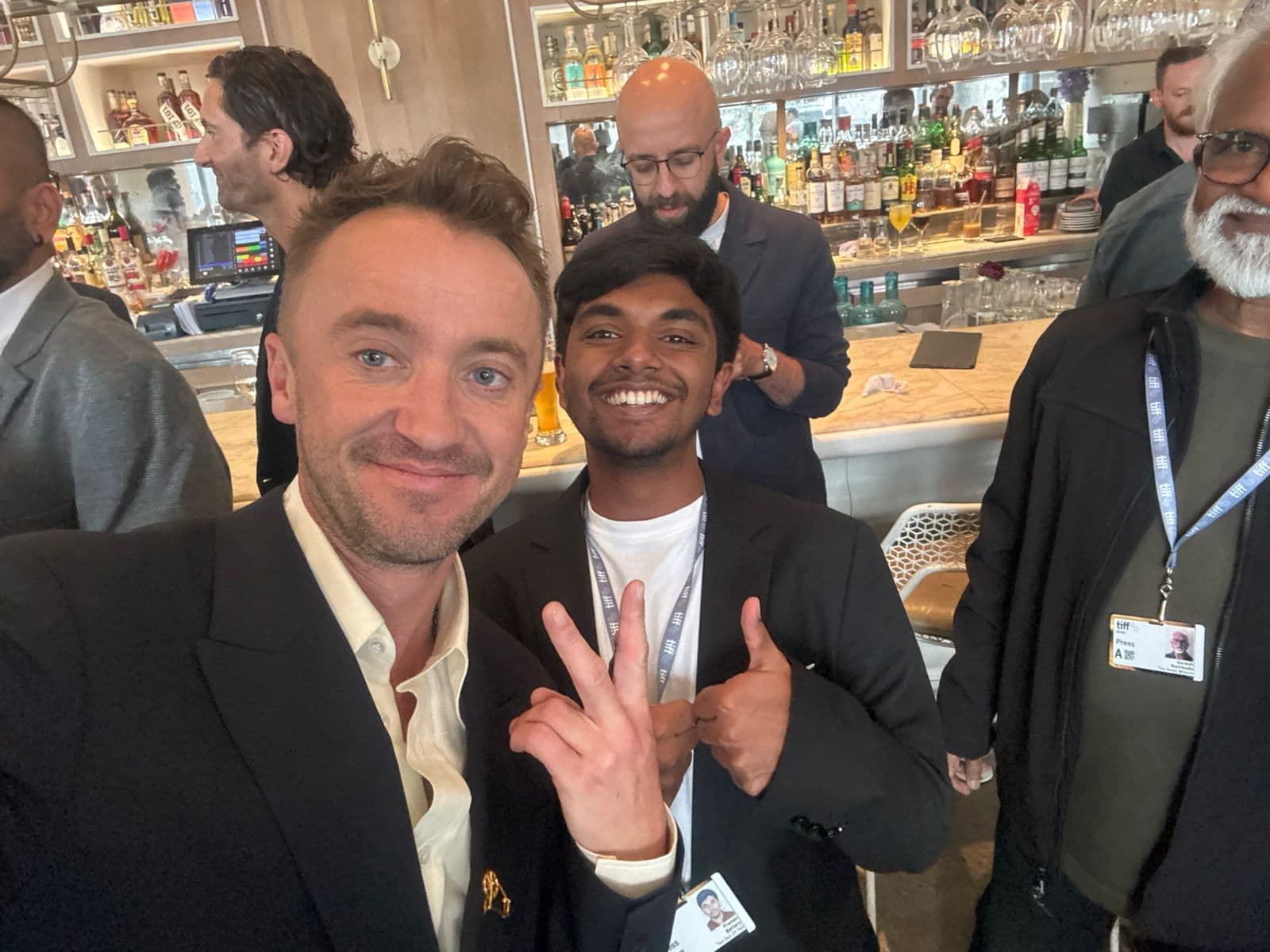
Then I saw someone I had not expected, Tom Felton. I hadn't realized he was part of the show because I hadn't planned to cover the premiere. It took about five minutes to recognize him, but anyone who has seen even one Harry Potter film would have recognized him. I spoke to him about his work post-Harry Potter, his new projects, and his role in The Flash, which surprised him that I remembered. He kindly gave me a picture, and when I told him I was a Slytherin too, his eyes lit up. He hugged me, kissed me on the cheek, and said he was happy. I was smiling the entire time and knew it would take a while to process this.
I don't drink before watching a movie, a rule of mine, but I was stuffing myself with food. Much of it was vegetarian, and perhaps because I hadn't eaten all day or because I was nervous, I kept eating everything in sight.
Then he arrived. A.R. Rahman. There are very few people whose work has had an immeasurable impact on my life without ever meeting them, and Rahman saab is one of them. My jaw dropped. I didn't expect him to be there, and I couldn't believe I was seeing him in person.
Time was running out, and I had to leave for my next show, another Indian film I couldn't afford to miss. I waited until the last minute to at least greet Mr. Rahman. The crowd around him was not chaotic, showing the class of those present, so I knew I just had to wait.
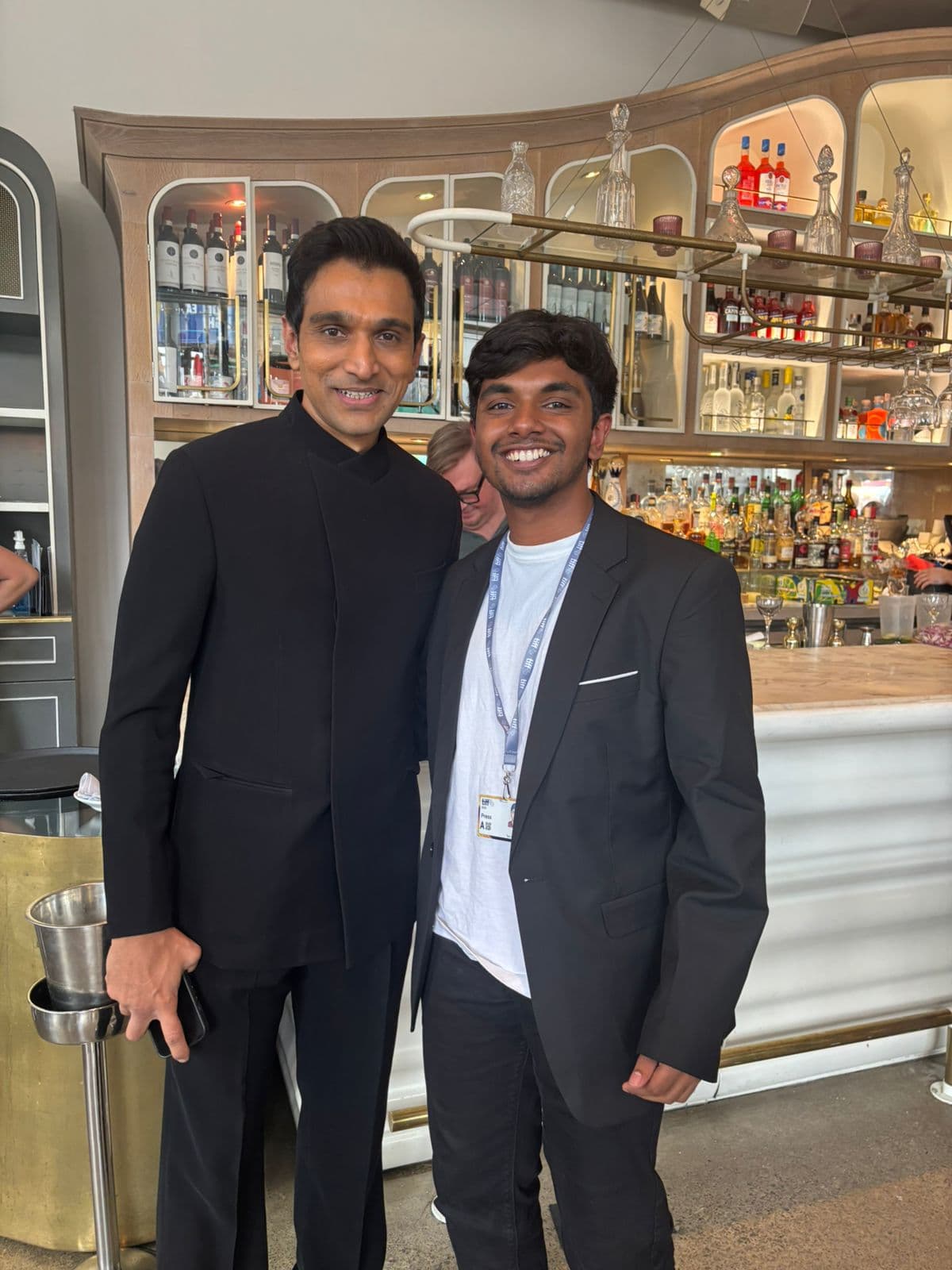
In the meantime, I met Prateek Gandhi and talked to him about following his journey since his Gujarati film days. I told him how much I enjoyed his smaller projects, and he was delighted to hear it. He kindly gave me a picture, and I congratulated him on the success of Gandhi.
My time was running out, and I barely had ten minutes left. As luck would have it, Mr. Rahman stepped out for a moment, and I managed to speak to him. I was starstruck but gathered myself to say a few words. I don't even remember what I blabbered, but he smiled and said thank you. I knew he was a man of few words and ended by telling him that not a day goes by when I don't listen to his songs.
My heart was racing, and those were probably the best two minutes of my life. I quickly met Mr. Mehta, the older print critic, and Sucharita Tyagi to thank them and say goodbye.
As I walked to the theatre for my next screening, I took deep breaths to process the afternoon. I was blown away by how a room full of successful people could be so kind, humble, and willing to have a conversation with an absolute nobody like me. The ability to connect and empathize with someone like me is what made them so remarkable. I could imagine Mr. Rahman having heard the words I spoke countless times, yet for that minute, he gave me his full attention. The same kindness extended to every artist I interacted with that afternoon.
I sat down in a packed theatre to watch Bayaan starring Huma Qureshi. The film is a partial thriller about a police officer attempting to expose atrocities committed by a man running an ashram. I had a decent time watching the film, though nothing stood out for me personally. I met Huma Qureshi after the screening and congratulated her on the project. The team seemed happy with the response.
By now, I had seen ten movies, with one left for the day: the late-night screening of Sirat. I was also invited to a party on the festival street but decided to attend only after Sirat. I killed around four hours by grabbing dinner and exploring the festival. The music, street art, and food made me feel like Disneyland was here.
During the 10 PM screening of Sirat, I connected with people sitting around me. The theatre was packed, and I met people from around the world, of all ages, sharing stories of the amazing films they had seen. The premiere of the new Knives Out film had taken place that evening, and one person who had seen it was in awe. I heard stories about the director of Franz, people paying hundreds of dollars for Sentimental Value, and hours spent waiting for films. It felt like we were part of a community that had suddenly come together.
Sirat was incredible. The first thirty minutes felt endless, especially since it was a 10 PM show, my fourth film of the day, and I had attended a party. There was a moment in the first half that had the entire theatre gasping audibly. I was reminded of the interval scene in Dasara, and after that moment, Sirat had us hooked. The sound design, political commentary, and the director's ability to keep the audience on the edge of their seats were praiseworthy. I couldn't help but clap after the screening.
Even as I walked to the party in the cold, I was still thinking about Sirat and realized some might dismiss me for enjoying it. Yet, the technical mastery was hard to ignore.
The party was amazing. I met junior artists, actors, directors, writers, and artists from the Canadian film industry. I wish I could have identified everyone, but there were some really talented people there. I was exhausted and sleep-deprived, but the vibe was so good that it was almost 4:30 AM by the time I returned to my hostel. It was the best possible day I could have had, long and unforgettable.
DAY 4
I was supposed to go to the screening of Rental Family around 9 AM, but I was far too exhausted to wake up. I got out of bed around 10 AM, hoping at least to make it to my second screening. I took a long, hot shower, had a good breakfast, and grabbed a hot chocolate at Tim Hortons before heading back to the festival street.
It was a Sunday morning, and despite what I'm sure were late-night parties, people had still managed to show up for screenings. Volunteers were everywhere, and it seemed like everyone had gotten eight hours of sleep in the last six hours, while I was still dealing with a headache. I hydrated myself and stood in line for my next film, titled Sacrifice.
Apart from my friends recommending it because of the director's first film, I was tempted to watch Sacrifice because it starred Chris Evans, Anya Taylor-Joy, and Salma Hayek. I have to give credit to the makers because the first 30 to 40 minutes were so good that my headache actually disappeared. The film established some intriguing themes, and there were moments where the entire theatre even burst out laughing.
Unfortunately, the film didn't hold up for the rest of its runtime. It tried to explore grey shades that felt unrelated to what I expected to watch. Chris Evans held his ground, but it felt like something really good suddenly turned shallow. Nevertheless, I was glad my headache was gone, and I stepped out of the theatre to breathe some fresh air and prepare for my next screening.
I had a gap in my schedule at this time because I wanted to watch something less popular with great word of mouth. All the films being recommended to me were either ones I had already seen or was about to see. I managed to get a ticket for a Spanish film titled The Captive and walked into a theatre with around a thousand people, completely unaware of what the film was about.
I was surprised by the turnout and learned that many were Toronto locals trying to catch at least one festival film over the weekend. As demand for other screenings was high and not everyone had access to press screenings, they had gotten tickets for this movie. I was lucky to sit near the screen where the director and cast gave a speech before the film began. It all felt new and exciting.
The film was a decent watch. It was based on a real story set in the 1500s. The set design and production values were impressive. I do wish some parts of the screenplay had been faster, as certain sections added little depth, but the film excelled when it stayed focused on its central story.
My next show was immediate, so I didn't even have time for dinner. It was a Brazilian film titled The Secret Agent, which I had heard much about from peers at Cannes. I was excited, especially because I had loved another Brazilian film, I'm Still Here, the previous year. I knew this film would explore similar themes and feature the lead from Narcos. I walked into another packed theatre with about a thousand people. Big groups of Brazilians cheered as the cast and crew walked on stage, waving their country's flags. The director made strong comments about Brazil's politics, and the crowd seemed thrilled.
Unfortunately, this would turn out to be my worst watch at the festival. The film lacked substance, with lengthy scenes leading to nothing. I felt no real emotion or empathy, and I was so disconnected that I kept wondering when it would end. I might have been too harsh because I was tired, hungry, and slightly sleep-deprived, but it made me wish I had chosen another film or gone back to the hostel to sleep. To its credit, the film did have some great performances, but there wasn't a single memorable moment.
I think I fell asleep seconds after my head hit the pillow that night. I knew I had an early morning ahead and needed to make the most of whatever sleep I could get.
DAY 5
This was my penultimate day, and it began with a film I had heard amazing reviews about at the festival. Despite being exhausted, I pulled myself out of bed to watch Chloe Zhao's Hamnet. I had heard that people were loving it and that it was deeply emotional, and I knew I needed something to lift my energy after the fairly average day I had had the day before.
The show was scheduled for 8:45 AM, and unlike the previous days, I started early and reached the theatre around 8:30 AM. Sadly, there was an incredibly long line, even for the press screening. Given the hype and good word of mouth, I should have arrived earlier, but the theatre was full. I was put in a separate waiting line, where they informed us that we could be let in if anyone inside gave up their seat. They also recommended that if we had other options, we should leave. I couldn't believe I was going to miss Hamnet at the festival, knowing there weren't any other screenings during my stay. It was my most anticipated film of the day, and it left me feeling sad. Hamnet would be the only film I missed from my schedule.
I checked the TIFF website and saw that an Italian film titled Three Goodbyes was screening at the same multiplex at 9 AM. I left the waiting line for Hamnet, knowing I wouldn't get in, and sat down to watch this film. I'm a sucker for sad romances, and from the title and poster, that's what I expected. There were probably only three people in the hall, including me, and I was worried they might cancel the show, but thankfully they didn't.
Three Goodbyes was definitely a sad film, but not one that would tear me up. Maybe because I was still salty about missing Hamnet, I shut myself down emotionally. The film wasn't really a romance either; it was more about a character's journey. Though I felt slightly misled by the poster and synopsis, it wasn't a bad watch. The third act kept me engaged, and I felt slightly better after the film.
As I walked out, I saw a line forming for my next film, Eternity, starring Miles Teller and Elizabeth Olsen. There was no way I was missing a second film in a row. I stood in line about an hour before the show and managed to get in around thirty minutes before it started. I got great seats and had absolutely no expectations.
But I was pleasantly surprised. The film was hilarious and engaging, and the world they built was so creative. DaVine Joy Randolph had a small role and stole every scene she was in. It felt like a genuine stress reliever after two days of serious and middling films. The writing tackled a familiar conflict in an intelligent way. I had the chance to speak with the PR representative for the film and told her how much I had enjoyed it and how it revived the film lover in me during the festival. She was thrilled with my enthusiasm and promised to pass my words to the team.
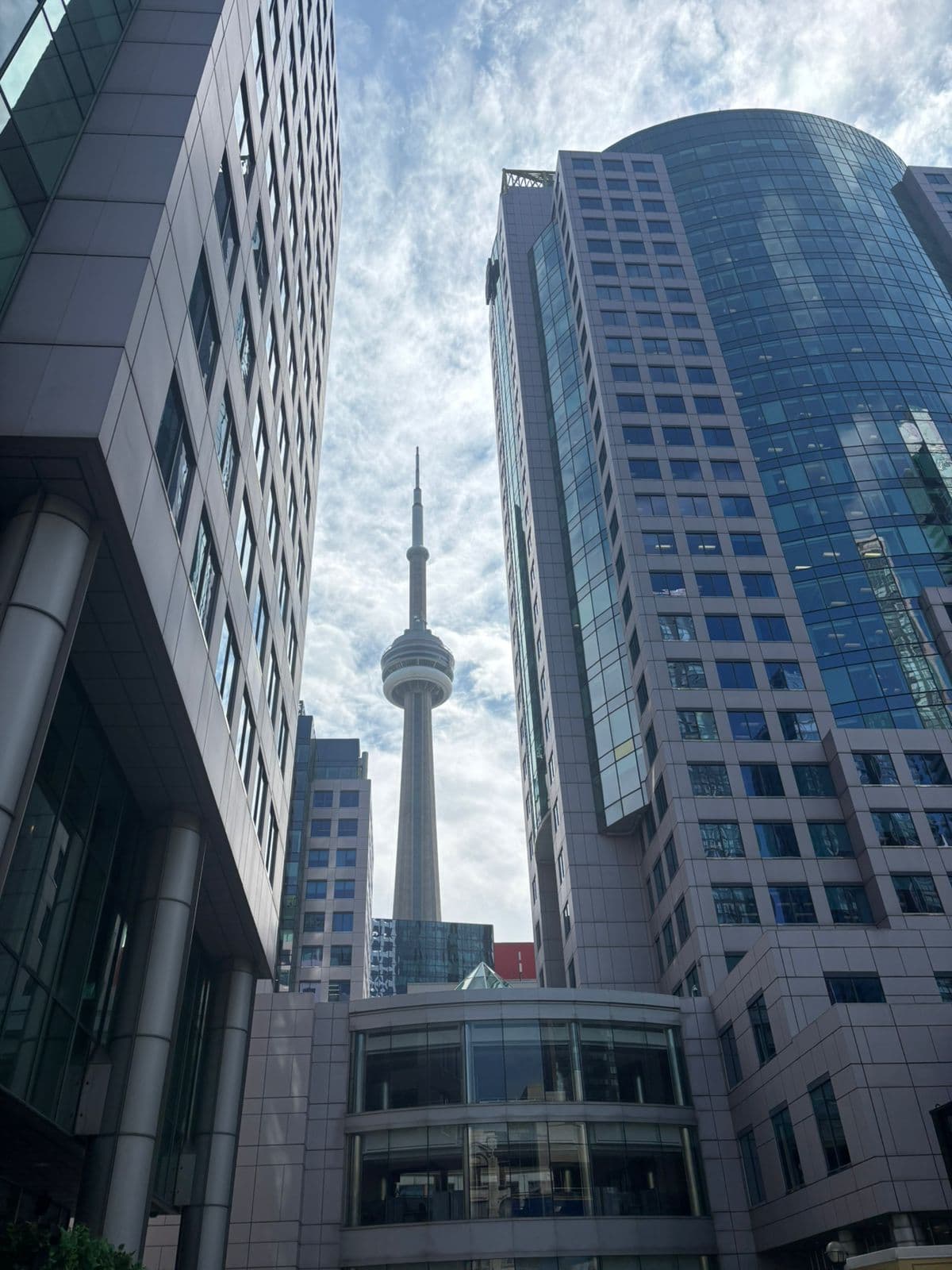
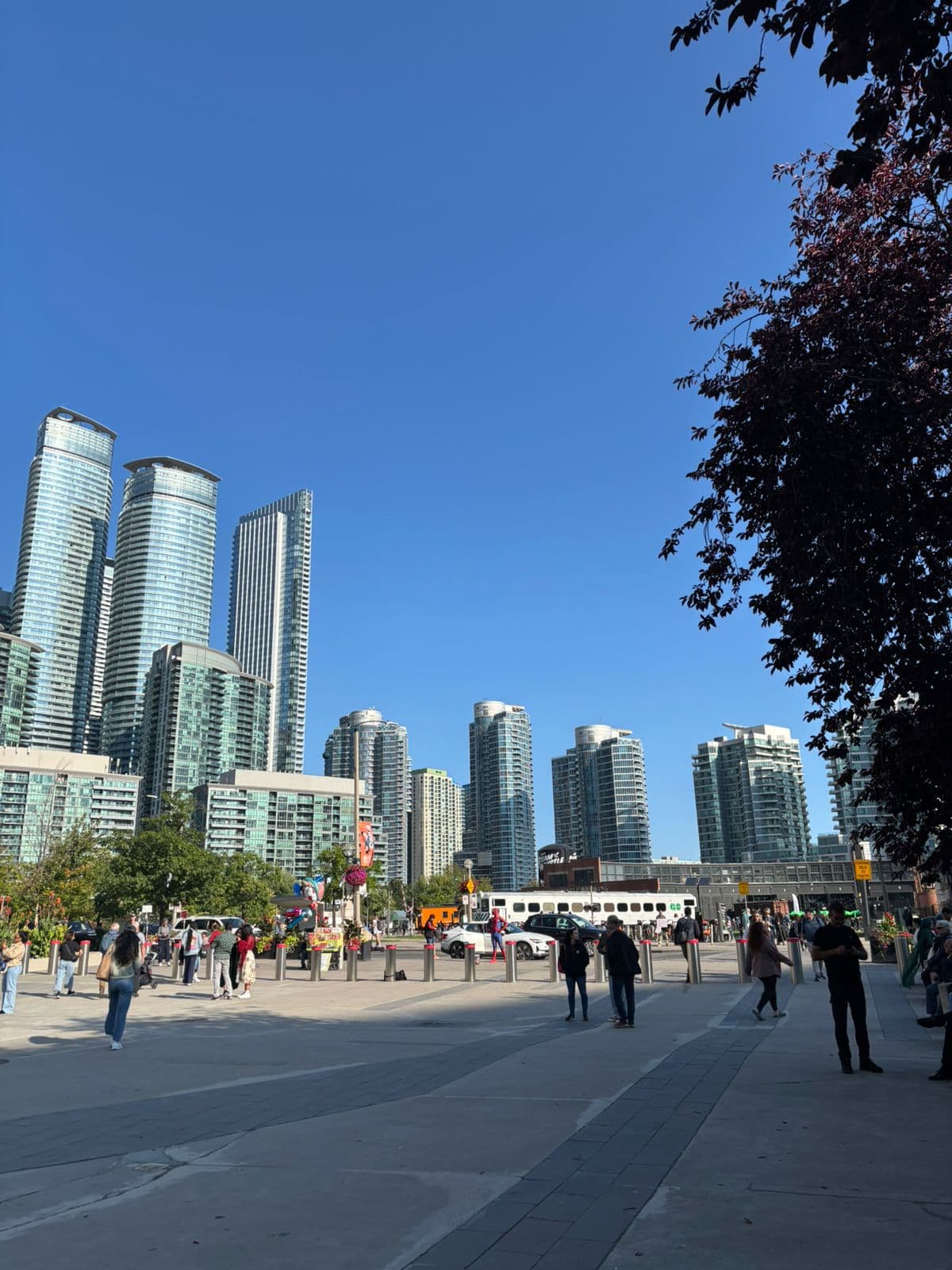
After feeling much better post-Eternity, I walked into an all-you-can-eat Indian buffet for the first time at the festival and devoured the food. I hadn't realized how much I had missed rice and curry, and it was probably the best meal I had all afternoon, despite being slightly overpriced. My next film was later in the evening, so I used the time to explore Toronto, visit the CN Tower, and even see the waterfront. It felt nice to step out of the festival street and enjoy the city on a bright, sunny day.
My next film was Canadian and made by the Indigenous community. I wanted to support these filmmakers, who had made the journey to the festival to present their film. The film was titled Nika & Madison and told the story of two cousin sisters being pursued by the police. It focused on the discrimination faced by the community and was engaging for the most part. The runtime wasn't too long, and it had some great dialogue. I skipped the Q&A and went to a nearby pub to watch some cricket.
At the pub, I met a Saudi Arabian filmmaker whose film was screening at the festival. He talked about the struggles of making films in his region. During my conversation with him and several other filmmakers, I realized how lucky we are to be born in India, a country that adores films. Our efforts as filmmakers have a real chance to succeed if we're good at our craft, whereas talented people elsewhere struggle to get their work seen due to lack of demand or government restrictions. I congratulated him and promised to follow his work.
I returned to my hostel early, knowing I had another long day ahead. I think I fell asleep almost immediately, exhausted but satisfied with how the day had unfolded.
DAY 6
This was my final day, and I had four big and amazing films scheduled. My first film was at 8:30 AM, Wake Up Dead Man: A Knives Out Mystery. I love the first film in the Knives Out franchise, and even though the second one was disappointing, I am always up for a murder mystery. This time, there was no way I was missing the show. I reached the theatre around 7:15 AM and was surprised to find people already waiting. I knew I'd get in easily because there weren't too many people, but the hype was clearly real. I had some time to kill, so I struck up a conversation with a very sweet man beside me, who also had his own podcast and had been visiting TIFF for a while. He talked about some of his all-time favorite films and told me how he gives each film a grade instead of a rating. I was seriously impressed because I've always had trouble rating films, which is ironic since the name of my podcast came from a list I used to maintain on IMDb, where I rated films I thought were 10/10. We talked about how good Sentimental Value was and how Sacrifice was underwhelming, and before we knew it, it was time to go in. I managed to get great seats and braced myself to watch one of my most anticipated films at the festival.
A lot of you might have already seen the film by now, and I know there's been a lot of positive talk. I too was one of those people spreading a positive word. I thoroughly enjoyed the film, far more than the second installment, and loved how it explored so many different themes and concepts. Early on, I understood that this wasn't a classic whodunit, and as soon as I accepted that, I had a blast. The crowd was active too, making it one of my best experiences at the festival.
My next film started almost immediately, and it was also a festival favorite. Guillermo Del Toro's Frankenstein was screened in a big theatre with over 800 people. Del Toro was present, and it was a joy to see him in person. The film felt slightly long given its predictable beats, but I was in awe of each frame. I didn't wish to criticize it much because I had just come off another screening, and my judgment might have been affected, but I still had a great time.
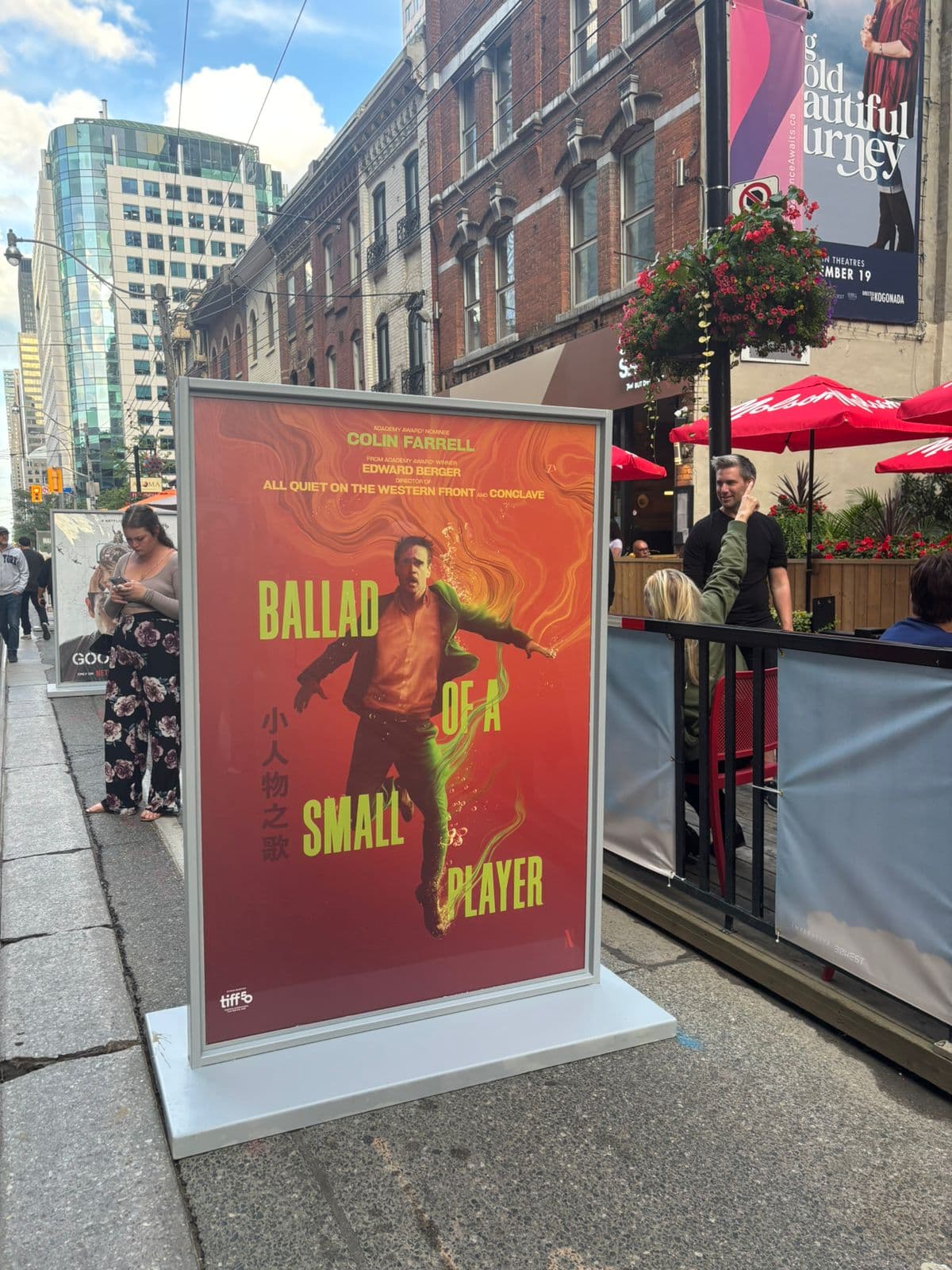
I barely had time to breathe before grabbing some lunch, and soon it was time for my next show. I was watching Edward Berger's Ballad of a Small Player, starring Colin Farrell and Tilda Swinton. I am a huge fan of Berger's recent work, including his adaptation of All Quiet on the Western Front and Conclave, so I had high expectations given the cast.
As luck would have it, Berger delivered an underwhelming film. Although The Secret Agent had been my most disappointing film at the festival, this was the one I had really high hopes for, and I left with a sad face. Seeing the crowd's similar reactions reminded me of the day I watched Sujeeth's Saaho back in 2019, and the atmosphere was similar.
I had a few hours before my final screening to collect my thoughts. It struck me how crazy it is to watch films back to back at a festival without letting ourselves process them properly. The purpose of some films extends far beyond the three hours we spend in a theatre. I remember watching Arjun Reddy in 2017 and thinking about it for days afterward. I can only imagine how different my response would have been if I had seen it at a festival in the morning and then immediately watched a comedy.
That said, I understand how much festivals help filmmakers. I saw so much hope and enthusiasm from small filmmakers around the world gathered in one city. Many of these films would likely receive funding and opportunities for wider releases. Knowing that I was nearing the end of my trip, I soaked in everything on the festival street one last time. I grabbed a coffee from Hyatt and set out to eat before my final screening, the Palme d'Or winner It Was Just an Accident.
I hadn't watched any of Jafar Panahi's films before, though I had read about him, how he had been punished for making films in his country, his undying passion for cinema, and the struggles he had endured. I was excited that this was the film I would start with.
As I walked on the festival street to find something to eat, I noticed a very familiar face talking casually to a few people. He was dressed well and smoking a cigarette, and I suddenly realized it was Jafar Panahi himself, the director whose film I was about to watch.
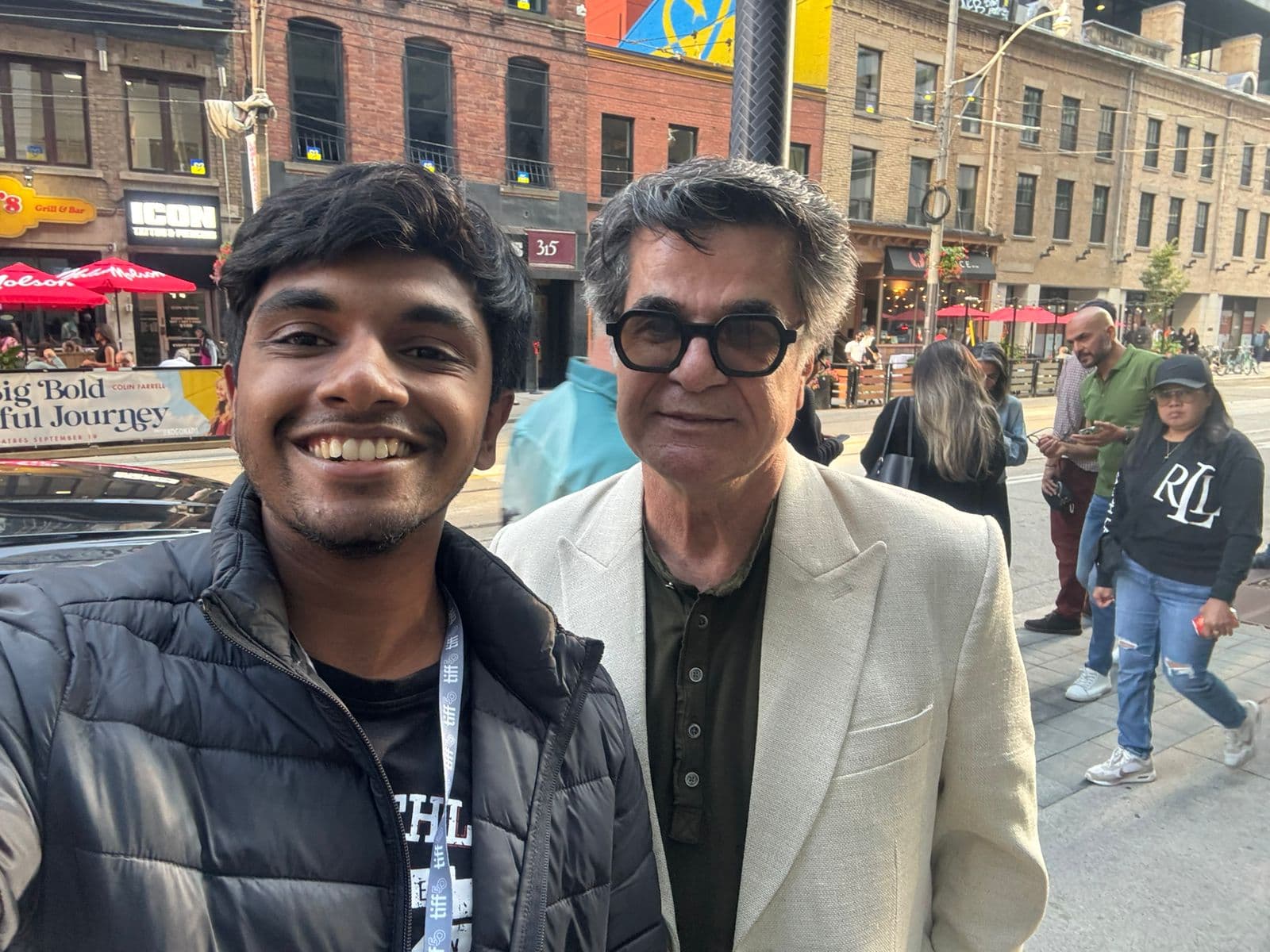
I hesitated for a moment but then met a friend I had made at the festival, who confirmed that it was Panahi and encouraged me to introduce myself. Nervous but determined, I approached him. He was incredibly kind and happy to talk. I congratulated him on his Palme d'Or and told him I was on my way to watch his film. He was delighted and said he would also be attending the screening. I told him his story was inspiring, and he graciously gave me a picture.
Afterward, one of my friends called, losing his mind when I told him about meeting Panahi. He reflected on the beauty of festivals, where a young aspiring filmmaker and podcaster from Southern India could meet a world-class director who had faced immense struggles. His words moved me to tears, and I felt bittersweet knowing I would be leaving the festival the next day.
I made it to the screening of It Was Just an Accident, and as he had promised, Panahi appeared and gave a short speech on the importance of cinema. I was fully absorbed. The film was beyond amazing, and I genuinely mean that. It was told from the filmmaker's heart, and the final shot gave me chills. It was funny, engaging, and made a statement without being overly political or melodramatic. It is arguably one of the best films of the year, and I highly recommend it.
With that incredible film, my time at TIFF had come to an end. I said goodbye to the festival streets and promised myself that I would try my best to return next year.
FINAL THOUGHTS
For a few days after I returned from Toronto, I genuinely had a hard time finding things to do in my free time. I had spent the last two months planning this amazing trip, and now that it was over, I not only had nothing to do, but I also didn't have the mental energy to watch a movie. I had just watched 21 films in six days, which in the cinephile space is not particularly impressive, but it was exhausting. I even caught a cold as soon as I returned and spent the next few days in bed, talking to my friends about every detail of my time at the festival.
I truly believe I was lucky to have this experience, especially on the festival's 50th anniversary. The system was seamless, and the volunteers were incredibly helpful. Everything felt so organized. They took such good care of the press, even smaller media outlets like mine, but most importantly, they gave us a chance to experience something extraordinary. They provided a space where I could interact with legends like A.R. Rahman, Jafar Panahi, and Tom Felton. They reminded me that the work we do here, the random conversations and rants about films and their impact, truly engages people and is art in itself. I can only hope that next year, or any year after that, I get to attend with my team and friends. I hope I do well enough someday to help a filmmaker who is seeking funding. And of course, I hope that one day, Ten Out Of Ten represents a film of our own at a festival like TIFF and wins everyone's hearts.
I want to use this blog to thank every friend who helped me plan this trip and motivated me to make the most of this opportunity. To the countless strangers I met at the festival who shared nothing but love for cinema. And of course, to you, our listeners, who gave us a platform to attempt this. We promise that in the years to come, we will attend more festivals and represent Telugu cinema around the world. Thank you for reading this long post. Check out our podcast as well if you haven't yet, haha.
TIFF 2025 Gallery